


March 2026
Laura Kavanagh, Physiotherapist
Knee Pain or Arthritis? How Melbourne Physios Diagnose the Difference
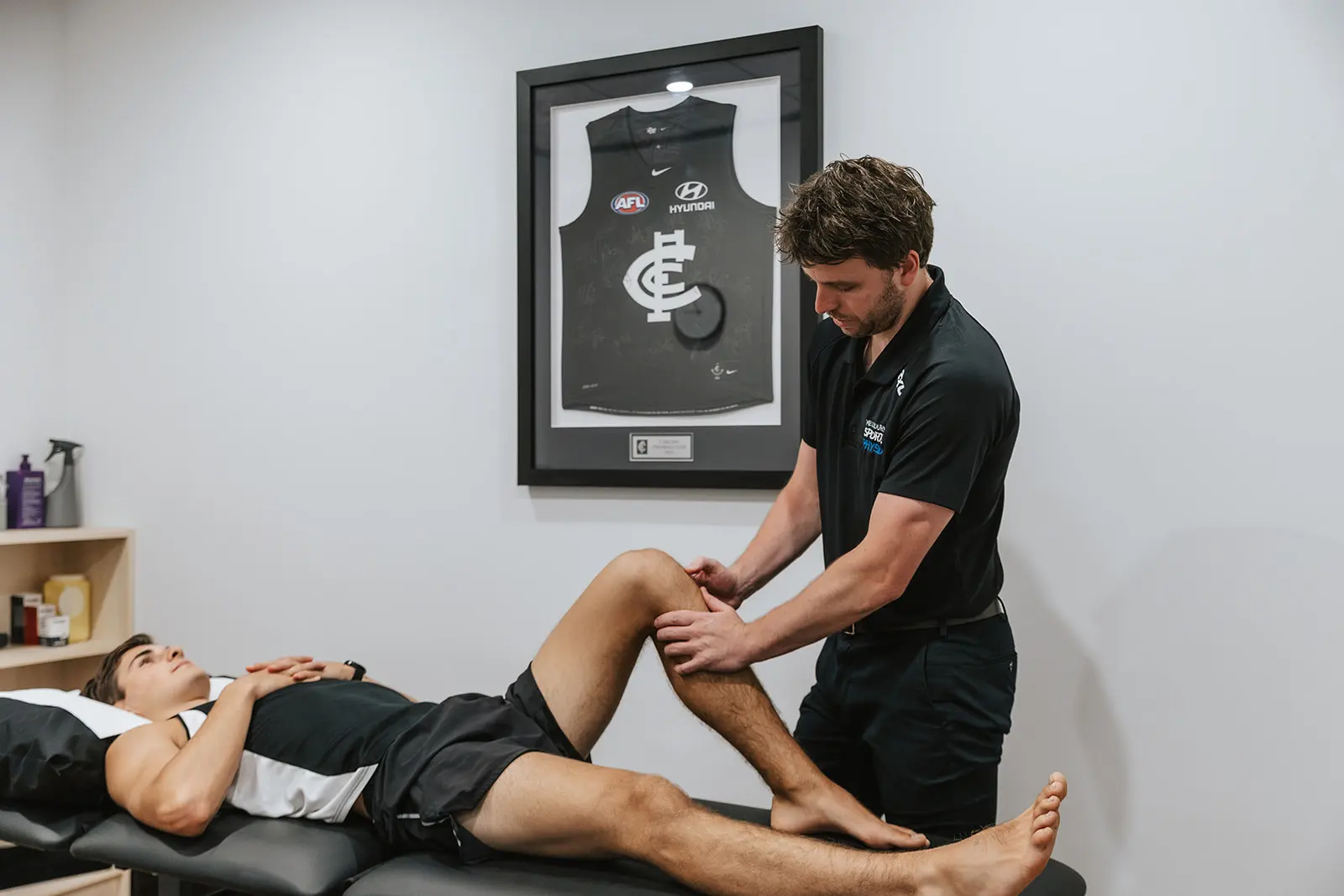
It starts with a twinge.
You’re walking down the stairs, getting out of the car, or maybe just standing up after sitting too long and there it is. That familiar discomfort in your knee. At first, you brush it off. Maybe you’ve overdone it at the gym. Maybe it’s just “one of those things.”
But then the question creeps in:
Is this just a knee injury… or something more like arthritis?
It’s one of the most common concerns physiotherapists hear across Melbourne. And the tricky part is that the symptoms can feel surprisingly similar.
Many people delay getting help because they’re unsure what they’re dealing with. Others assume the worst and think surgery is inevitable. In reality, understanding the difference early and getting the right guidance can significantly improve your outcomes.
If you’re navigating knee discomfort right now, this guide will help you understand how physios approach diagnosis and how knee injury recovery programmes are tailored to your specific condition.
Book Online Now to Fix Your Body
Why Knee Pain Is Often Misunderstood
-
Knee pain is not a diagnosis—it’s a symptom.
-
Research published in Osteoarthritis and Cartilage shows that over 25% of adults experience chronic knee pain, yet many don’t receive a clear diagnosis early on. This often leads to delayed treatment and worsening symptoms over time.
-
One of the biggest misconceptions is that all knee pain in adults, especially over 40, is arthritis.
-
That’s simply not true.
-
In fact, many cases of knee pain are related to muscle imbalances, tendon overload, ligament strain, and poor movement mechanics.
-
This is where physiotherapy plays a critical role in knee injury recovery Melbourne, not just treating symptoms, but most importantly identifying the root cause.
What our clients are saying about us
Knee Injury vs Arthritis: What’s the Difference?
While they can overlap, there are key distinctions that physiotherapists use to guide diagnosis.
Knee Injury (Acute or Overuse)
-
Typically linked to a specific event or repeated stress.
-
Common signs include sudden onset of pain, swelling within hours (especially in ligament injuries), pain with specific movements such as squatting or twisting, a feeling of instability or giving way, and pain that improves with rest.
-
Examples include meniscus tears, ACL or ligament sprains, patellofemoral pain syndrome, and tendon irritation such as patellar tendinopathy.
Knee Arthritis (Osteoarthritis)
-
A degenerative condition that develops gradually over time.
-
Common signs include stiffness, especially in the morning or after inactivity, pain that worsens with prolonged activity, reduced range of motion, grinding or clicking sensations, and swelling that comes and goes.
-
According to the Australian Institute of Health and Welfare, 1 in 5 Australians over the age of 45 has osteoarthritis, with the knee being one of the most affected joints.
How Melbourne Physios Diagnose the Difference
Here’s where physiotherapy stands out.
Unlike a quick scan or general consultation, physiotherapists take a movement-based, whole-body approach to diagnosis, which is essential for effective knee injury recovery strategies.
1. Detailed History Taking
A physio will ask when the pain started, whether there was a specific incident, what activities aggravate or relieve it, and whether the sensation is stiffness or sharp pain.
These answers often provide the first clues.
2. Movement Assessment (Often Overlooked Elsewhere)
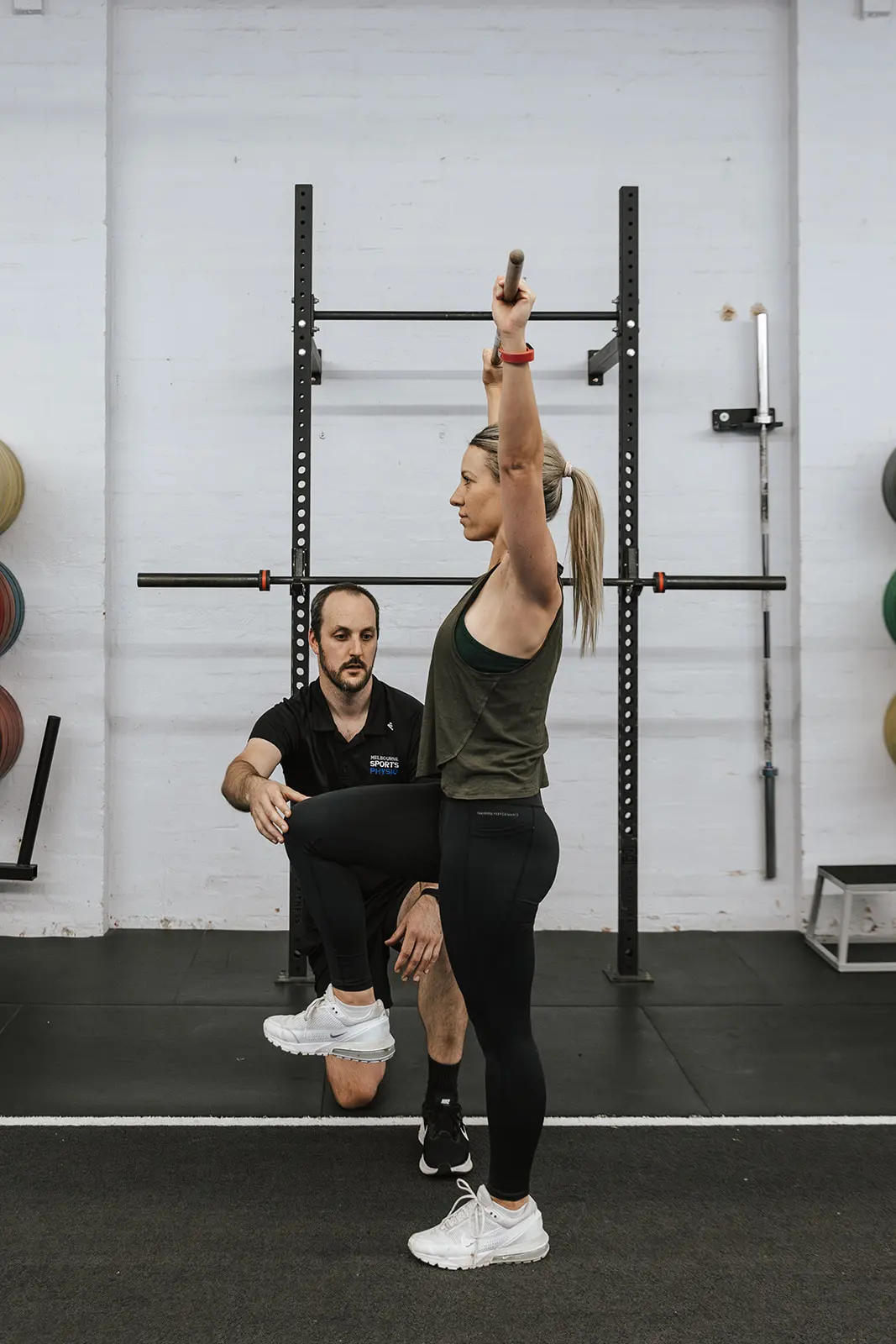
Instead of just focusing on the knee, physios assess hip strength and control, ankle mobility, walking and running patterns, and squatting and load distribution.
This matters because research in the Journal of Orthopaedic and Sports Physical Therapy highlights that poor hip and lower limb mechanics significantly contribute to knee pain, even when the knee itself isn’t structurally damaged.
3. Hands-On Testing
Physios use specific tests to assess ligament stability, meniscus integrity, joint line tenderness, and muscle activation.
These help differentiate between structural injury and degenerative changes.
Book Online Now to Fix Your Body
When Imaging Is (and Isn’t) Needed
-
A key point many people don’t hear is that you don’t always need a scan to diagnose knee pain.
-
Studies show that MRI findings often don’t correlate with pain levels, especially in cases of arthritis. Many people have abnormal scans without symptoms.
-
Melbourne physios will typically recommend imaging only when there is suspected serious injury, symptoms aren’t improving, or surgery may be considered.
-
This approach avoids unnecessary anxiety and keeps treatment focused on function.
What Most Blogs Don’t Talk About: The “Grey Zone”
Here’s something often overlooked:
You can have both early arthritis and a treatable knee injury at the same time.
This “grey zone” is incredibly common.
For example, mild arthritis may exist in the joint, but pain is actually driven by muscle weakness or overload.
This is why many people improve dramatically with physiotherapy—even if scans show arthritis.
It’s also why knee injury recovery Melbourne plans are never one-size-fits-all.
Book Online Now to Fix Your Body
The Role of Physiotherapy in Recovery
Whether your knee pain is due to injury, arthritis, or a combination of both, physiotherapy remains one of the most effective first-line treatments.
According to clinical guidelines published in the British Journal of Sports Medicine, exercise therapy is the most effective non-surgical treatment for knee osteoarthritis.
Key Components of Treatment
-
Strength training targets the quadriceps, hamstrings, and glutes. Stronger muscles reduce load on the knee joint and improve stability.
-
Load management helps you understand how much activity is too much and when to rest versus push. This is crucial for both injury recovery and arthritis management.
-
Movement retraining focuses on correcting walking patterns, running mechanics, and gym technique. Small changes here can significantly reduce pain.
-
Pain education is one of the most powerful tools. Understanding that pain does not always equal damage, and that movement is often safe and beneficial, helps reduce fear and improve outcomes.
When Should You See a Physio?
If you’re asking whether it’s arthritis or injury, that’s already a good time to seek help.
More specifically, consider physiotherapy if:
-
Pain lasts longer than one to two weeks
-
You notice swelling or stiffness
-
Your activity levels are decreasing
-
You’re unsure how to safely exercise
-
You want to avoid long-term joint issues.
Early intervention is one of the biggest predictors of successful knee injury recovery Melbourne outcomes.
Book Online Now to Fix Your Body
A Quick Self-Check (Not a Diagnosis)
Ask yourself whether the pain started suddenly or gradually, whether movement improves or worsens symptoms, whether stiffness is a major factor, and whether certain activities trigger sharp pain.
Your answers can provide clues, but they don’t replace a proper assessment.
The Bigger Picture: It’s Not Just About the Knee
A key takeaway many people miss is that the knee is often the victim, not the problem.
Issues in the hips or ankles frequently contribute to knee pain.
This is why effective knee injury recovery Melbourne programs focus on the entire kinetic chain, not just the joint itself.
Book Online Now to Fix Your Body
Final Thoughts
-
Knee pain can feel confusing, frustrating, and sometimes worrying, especially when you’re unsure whether it’s an injury or arthritis.
-
The reality is that the two conditions often overlap, symptoms alone don’t tell the full story, and both can be managed effectively without jumping straight to invasive treatments.
-
A proper physiotherapy assessment doesn’t just label your condition—it gives you a clear, structured path forward.
-
If you’ve been dealing with knee discomfort, or even just questioning what’s going on, getting clarity early can make all the difference. And if you’re in Melbourne, accessing the right support for knee injury recovery Melbourne could be the step that gets you back to moving confidently again.
-
If you’re unsure where to start, booking an assessment with a physiotherapist can help you understand exactly what your knee needs and what it doesn’t.
Book online today to feel great & move well again!
Super Simple with Instant Confirmation & No Login Required!
For consultation fees and more information, please visit our Fees and FAQs page or call us on 03 9498 0205.
Some types of consultations may require pre-payment or a deposit. 100% Money Back Guarantee (T&Cs apply).
Learn how our Melbourne Sports Physio team can help you?
At Melbourne Sports Physiotherapy our goal is to get you moving pain free as soon as possible.
But, we also want you to actually move better and live a healthier, more active and fulfilling life!
If your sports, fitness training or work has been wearing your body down, book in with one of our expert massage therapists so we can help you reduce your pain or stiffness.
If you are showing some signs of this condition or simply want help prevent this from happening in the future then book in with one of our highly experienced Remedial Massage Therapists today!
You can make an appointment by calling or booking online.