


July 2026
Rebecca Golder, Physiotherapist
Stretching vs Strengthening: What Works Best for Back Pain?

It’s a familiar scene across Melbourne: someone bends to tie their shoes, lifts a shopping bag, or stands after hours at a desk—and feels that familiar ache in their lower back. The natural response is often to stretch. If it feels tight, stretching seems like the obvious solution.
Sometimes it helps. Sometimes it doesn’t. The pain returns, leading to a cycle of stretching, resting, and hoping it settles.
So, what actually works for back pain? Is stretching enough, or is strengthening the missing piece?
The reality is that both play an important role. Knowing when to stretch and when to strengthen can speed recovery and reduce the risk of recurring pain. Whether you're looking for the best lower back pain exercises or long-term relief, understanding the purpose of each approach is the first step towards moving with confidence again.
Book Online Now to Fix Your Body
Top 3 Things You'll Learn
-
Why stretching can relieve back pain in the short term but strengthening often provides longer-lasting results.
-
How Melbourne physiotherapists use both stretching and strengthening together to reduce pain and improve movement.
-
The safest lower back pain exercises Melbourne residents can use to build strength, improve flexibility, and reduce the risk of future flare-ups.
Why Is Lower Back Pain So Common?
Lower back pain is the leading cause of disability worldwide. The Lancet estimates that around 619 million people were living with low back pain in 2020, with that number expected to rise without effective prevention and management.
Despite how common it is, lower back pain is rarely caused by one single issue. Instead, it usually develops because of several contributing factors working together.
These may include:
-
Sitting for long periods
-
Reduced physical activity
-
Muscle weakness
-
Stiff joints
-
Poor movement habits
-
Sudden increases in activity
-
Stress and poor sleep
-
Previous episodes of back pain
Many people assume their muscles are "tight." Often, they're actually responding to a sensitive area by increasing tension to protect it. That's why stretching can feel good temporarily without resolving the underlying issue.
What our clients are saying about us
Why Stretching Feels So Good
Stretching has been recommended for decades, and for good reason.
Gentle stretching can:
-
Reduce feelings of stiffness
-
Improve flexibility
-
Increase circulation
-
Help muscles relax
-
Encourage movement after prolonged sitting
If your back feels stiff after a day at the computer or a long drive, gentle stretching can provide temporary relief and help you move more comfortably. While stretching often reduces the feeling of tightness, research suggests this is largely due to changes in how the nervous system responds to movement rather than significant changes in muscle length. This is why stretching can ease discomfort, even if it doesn't address the underlying cause of back pain.
When Stretching Helps the Most
Stretching is particularly useful when:
-
Your back feels stiff after sitting.
-
Muscles feel tight following exercise.
-
You're returning to activity after a minor flare-up.
-
You feel restricted when bending or twisting.
-
You want to improve general mobility.
Examples include:
-
Knee-to-chest stretch
-
Child's pose
-
Cat-camel movement
-
Gentle trunk rotations
-
Hip flexor stretches
-
Hamstring stretches
These movements encourage comfortable motion without placing excessive stress on the spine.
The key word is gentle.
Stretching should never involve forcing movement into pain. If symptoms become sharper, spread further down the leg, or worsen afterwards, it is a sign that the exercise may not be appropriate.
Book Online Now to Fix Your Body
Can Stretching Make Back Pain Worse?
Surprisingly, yes.
Many people respond to every episode of back pain by stretching more aggressively.
While this seems logical, overstretching irritated tissues may increase sensitivity instead of calming it down.
For example, repeatedly touching your toes or twisting deeply into pain may aggravate an already sensitive lower back.
This is why physiotherapists assess movement first before prescribing exercises. Two people with similar pain may need completely different treatment approaches.
Why Strengthening Often Creates Longer-Term Relief
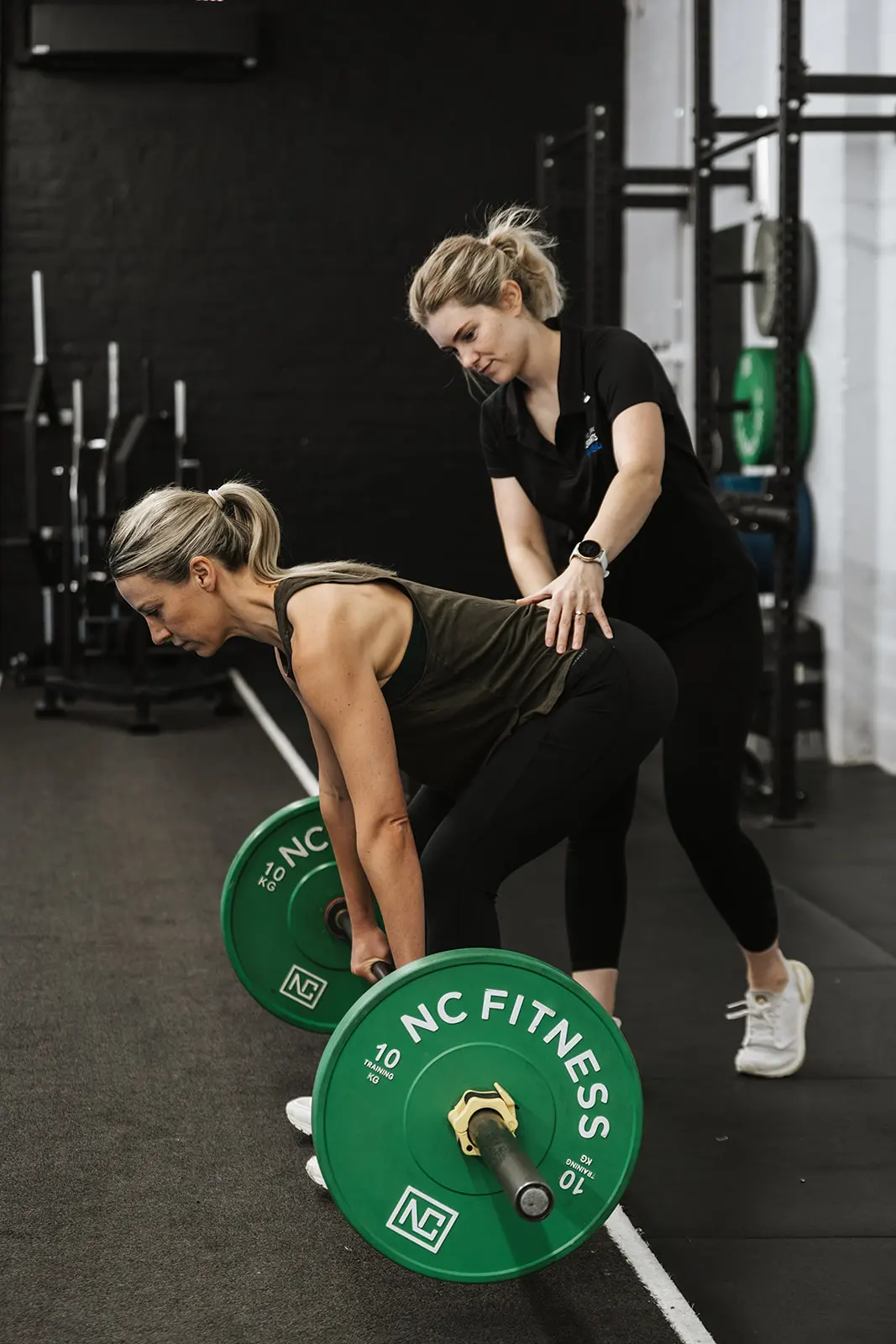
While stretching often provides temporary comfort, strengthening helps improve the body's ability to cope with everyday demands.
Think of your muscles as your body's support team.
Every time you:
-
Lift groceries
-
Pick up children
-
Carry sporting equipment
-
Walk around Melbourne
-
Climb stairs
-
Garden
-
Exercise
...your muscles help share the workload.
If those muscles are weak or deconditioned, the spine may become overloaded more easily.
Strengthening improves the body's capacity to tolerate movement.
Research consistently shows that exercise therapy is one of the most effective treatments for persistent lower back pain. Importantly, no single exercise style has been shown to be clearly superior for everyone. Instead, the best results usually come from exercises that are individualised, progressed gradually, and performed consistently.
Book Online Now to Fix Your Body
Which Muscles Matter Most?
Many people believe the abdominal muscles alone support the spine.
In reality, several muscle groups work together.
These include:
-
Deep abdominal muscles
-
Back muscles
-
Gluteal muscles
-
Hip muscles
-
Pelvic muscles
-
Diaphragm
One area that many blogs rarely discuss is the importance of the hips.
Strong hips reduce the amount of work your lower back has to perform during walking, running, lifting and climbing stairs.
This is why many Melbourne physiotherapists prescribe hip strengthening alongside core exercises rather than focusing on the back alone.
Lower Back Pain Exercises Melbourne Physiotherapists Commonly Recommend
Every exercise program should be tailored to the individual, but some commonly prescribed strengthening exercises include:
Glute Bridge
Strengthens:
-
Gluteal muscles
-
Hamstrings
-
Core
This exercise improves hip strength while reducing strain on the lower back.
Book Online Now to Fix Your Body
Bird Dog
Strengthens:
-
Core muscles
-
Back muscles
-
Hip stabilisers
It encourages coordinated movement while improving spinal control.
Side Plank
Strengthens:
-
Obliques
-
Hip muscles
-
Core stabilisers
Excellent for improving endurance and reducing unnecessary spinal movement.
Sit-to-Stand
A functional exercise that strengthens the legs, hips and trunk using an everyday movement.
Step-Ups
A fantastic functional exercise that improves:
-
Balance
-
Hip and leg strength
-
Core control
Walking
Often overlooked because it's so simple, walking encourages spinal movement, improves circulation, reduces stiffness and helps build confidence with movement. For many people with lower back pain, it's one of the most effective exercises for recovery.
Why Doing Both Usually Works Best
The question shouldn't really be:
Stretching or strengthening?
Instead, it should be:
How much of each does this person need?
For many people, the answer includes both.
Stretching helps restore comfortable movement.
Strengthening improves resilience.
Together they create a more complete recovery.
An effective rehabilitation program often progresses through stages.
Initially, the focus may be on reducing pain and improving movement.
As symptoms settle, strengthening becomes increasingly important.
Eventually, exercises become more functional, preparing the body for work, sport, gardening, lifting or recreational activities.
Book Online Now to Fix Your Body
One Thing Most People Don't Realise
Pain does not always mean damage.
Research shows the nervous system can become more protective after an injury, making movement feel painful even after tissues have healed.
This doesn't make the pain any less real—it means the body may need to gradually regain confidence in movement.
That's why prolonged rest can delay recovery, while appropriately prescribed exercise helps the nervous system relearn that movement is safe.
Everyday Habits Matter More Than Perfect Exercises
In reality, everyday habits often have a much greater influence on recovery.
Helpful habits include:
-
Standing up regularly if you have a desk job.
-
Walking throughout the day.
-
Gradually increasing physical activity.
-
Sleeping well.
-
Managing stress.
-
Staying active during mild episodes of back pain.
-
Performing exercises consistently rather than occasionally.
Consistency almost always beats intensity.
Completing a manageable routine three or four times each week usually produces better long-term results than doing an extremely difficult workout once before stopping altogether.
When Should You See a Physiotherapist?
Most episodes of lower back pain improve with time and appropriate movement.
However, it's worth arranging a physiotherapy assessment if:
-
Pain has lasted more than a few weeks.
-
Symptoms keep returning.
-
Pain limits work or sport.
-
You avoid movement because you're worried about making things worse.
-
Pain spreads into the leg.
-
Everyday activities are becoming more difficult.
A physiotherapist can identify contributing factors, assess movement, and develop an exercise program that matches your goals, fitness level and lifestyle.
For those searching for lower back pain exercises Melbourne, an individual assessment is often the fastest way to determine which exercises are likely to help—and which may be slowing your recovery.
Book Online Now to Fix Your Body
Frequently Asked Questions
Is stretching enough to fix lower back pain?
Usually not. Stretching may reduce stiffness and improve comfort, but strengthening and gradual movement often provide better long-term improvements in function and reduce the likelihood of recurring pain.
Should I exercise if my back hurts?
In many cases, yes. Gentle movement is often beneficial. However, exercises should not significantly increase pain, and symptoms such as severe leg weakness, numbness, or changes to bladder or bowel function require urgent medical assessment.
What is the best exercise for lower back pain?
There isn't one single "best" exercise. The most effective program depends on your symptoms, fitness level, and the underlying factors contributing to your pain. A combination of mobility, strengthening and functional exercises generally provides the best outcomes.
How long does it take to improve?
Many people notice improvement within several weeks when following an appropriate exercise program consistently. Long-term success often depends on maintaining strength and regular physical activity.
Final Thoughts
Stretching and strengthening are not competing treatments—they are partners.
If you're searching for effective lower back pain exercises Melbourne, remember that the best exercise program is the one designed specifically for your body, your lifestyle and your goals. A personalised approach is far more effective than relying on generic exercises found online.
Book Online Now to Fix Your Body
Ready to Take the Next Step?
If lower back pain is stopping you from enjoying life, working comfortably or staying active, don't wait for it to become a long-term problem. Book a physiotherapy assessment to identify what's contributing to your pain and receive a personalised treatment plan with exercises tailored to your needs. With the right guidance, you can move with greater confidence, build lasting strength, and get back to doing the things you enjoy.
Book online today to feel great & move well again!
Super Simple with Instant Confirmation & No Login Required!
For consultation fees and more information, please visit our Fees and FAQs page or call us on 03 9498 0205.
Some types of consultations may require pre-payment or a deposit. 100% Money Back Guarantee (T&Cs apply).
Learn how our Melbourne Sports Physio team can help you?
At Melbourne Sports Physiotherapy our goal is to get you moving pain free as soon as possible.
But, we also want you to actually move better and live a healthier, more active and fulfilling life!
If your sports, fitness training or work has been wearing your body down, book in with one of our expert massage therapists so we can help you reduce your pain or stiffness.
If you are showing some signs of this condition or simply want help prevent this from happening in the future then book in with one of our highly experienced Remedial Massage Therapists today!
You can make an appointment by calling or booking online.